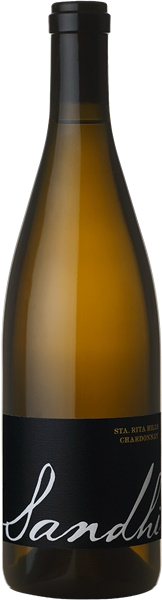
Sandhi Sta. Rita Hills Chardonnay Santa Barbara County, California
Chardonnay13% abv£40.99USA
18/20A cut above superior
Drink
2023 to 2029
Value
Jancis Robinson
17.5/20
Drinking window
Today
20252030
Drinking well, 2023 to 2029At its best, 2025 to 2027
An elegant, layered nose, at first white peach, fresh lemon and citrus peel, with subtle green apple and pear. With air, more complex aromas emerge: freshly baked bread, panna cotta and a delicate creaminess, with matchstick, toasted almond and a faint resinous note. The oak is restrained and well integrated, leaving the fruit and the savoury, mineral side to take centre stage.
Dry, with a medium-plus body and a focused spine of acidity giving freshness and precision. White peach, lemon curd and orchard fruit meet a subtle creamy texture, like panna cotta, and delicate savoury notes of bread and toasted nuts. A distinct saline quality runs through the palate, adding tension and complexity. The finish is layered and persistent, with lingering citrus peel, mineral freshness and a subtle savoury character.
An elegant, sophisticated Californian Chardonnay that shows what the Sta. Rita Hills can do as a source of refined, terroir-driven white wine. Rather than relying on ripeness or obvious oak, Sandhi goes for texture, freshness and complexity. White peach, citrus, a subtle creaminess and savoury, reductive notes give the wine real depth while keeping its precision and restraint.
The cool Pacific air and coastal fog of the Sta. Rita Hills keep temperatures down through the growing season, preserving acidity and allowing slow ripening. In 2021 a cool September and October added to that, and it shows in a Chardonnay that is fresh and concentrated at once.
On JancisRobinson.com the 2021 scored 17.5/20; James Suckling gave it 94, Wine Spectator 92 and Wine Enthusiast 91, out of 100. My own score is slightly higher, for the way it combines richness of texture with freshness and mineral precision. At £40.99 it is a premium Californian Chardonnay, but one with genuine complexity and a real sense of place.
Terroir and winemaking
The Sta. Rita Hills sit at the ocean end of the Santa Ynez Valley, one of the few valleys on the California coast that runs east to west, so cold Pacific fog and wind pour straight in most afternoons. From 1994 to 2023 the growing season here averaged 16.0°C, about 3°C cooler than Happy Canyon at the warm, inland end of the same valley, with average afternoon highs of about 20°C. The fruit for this wine comes mainly from Domaine de la Côte, on the cold western edge of the appellation, with some from Hines.
Sandhi, Sanskrit for “collaboration”, was founded in 2010 by sommelier Rajat Parr, winemaker Sashi Moorman and investor Charles Banks; Parr and Moorman took it over in 2016. Parr also co-founded In Pursuit of Balance, a movement for fresher, lower-alcohol California wine, and Sandhi follows the same thinking. The 2021 was fermented with native yeasts, then aged 8 months in 500-litre puncheons, about 20% new, and 6 months in tank: large, mostly older oak for texture rather than flavour.
Structure
Low to high
The shape of the wine: each spoke runs from low at the centre to high at the edge.
Aciditymed+
Bodymed+
Alcoholmedium
Intensityhigh
Finishlong
Acidity, tannin, body, intensity and finish on five steps; alcohol on three, from the 13% abv. How these are judged
Fruit & floralwhite peachlemoncitrus peelgreen applepear
From the cellarfresh breadpanna cottatoasted almond
Mineral & othermatchstickresinoussalinemineral
Tasted 20 Jun 2026Setting HomeSource Purchased, SelfridgesBottles tasted 1
The 2021 season in Sta. Rita Hills AVA
Apr to Oct growing season
2021 was an average season in the Sta. Rita Hills, 15.9°C over April to October against a 1994 to 2023 average of 16.0°C, and cooler than every season from 2016 to 2020. The summer was steady rather than hot: June ran 0.6°C warm, with the year's hottest day, 30.9°C on 16 June, but July and August were normal. Then September and October turned cool, 0.6°C and 0.8°C below average, with September nights averaging 14.2°C.
It was also a dry year, even for a place where it barely rains in summer: 32 mm over the season against a usual 55, almost all of it in October. That is typical of the cool, fog-bound coast, where a long, even season does more for Chardonnay than any single warm spell.
Average temperature
15.9°C
−0.1°C vs normal · 15th warmest of 32
Rainfall
32 mm
−42% vs normal
Hottest day
30.9°C
16 June · usual peak 28.9°C
Days above 30°C
1
in summer · usually 0
“Normal” is this spot's average for 1994 to 2023.
Month by month
Average temperature (line, left axis) and rainfall (bars, right axis) in 2021, with this spot's normal for each month.
Temperature 2021Normal temperatureRain 2021Normal rain
2021 against the years around it
Average temperature over each growing season. The dashed line is normal for this spot, 16.0°C: above it was a warmer year, below it a cooler one.
From the weather to the glass
Cool September and October−0.6°C and −0.8°C vs average; September nights 14.2°C
Slowed the final weeks of ripening. A likely reason the acidity stays focused and the fruit reads as lemon, white peach and green apple rather than anything tropical.
An even summer with almost no heat spikesone day ≥30°C all season; July and August at average
No sudden push in sugar, which fits the moderate 13% alcohol.
Dry season32 mm of rain, 42% below average
Little disease pressure and clean fruit. The concentration on the palate fits a dry, healthy year, though the wine's precision owes more to the cool site than to the rain.
Source: ERA5-Land climate reanalysis (Copernicus Climate Change Service), for the 9 km grid cell at 34.6°N 120.4°W, which blends hilltops and valleys. Normals are the 1994 to 2023 average for the same cell.
How I score
Out of 20
Half points, out of 20, on Jancis Robinson's scale. The score rates quality only. Value is rated separately, so a brilliant £14 bottle and a brilliant £140 bottle can score the same. Full scoring method →